HOME > NEWS > NEWS > The Core Neural System: TZYR HWEY (T.H.) Introduces the Functions and Diverse Types of Connectors
The Core Neural System: TZYR HWEY (T.H.) Introduces the Functions and Diverse Types of Connectors
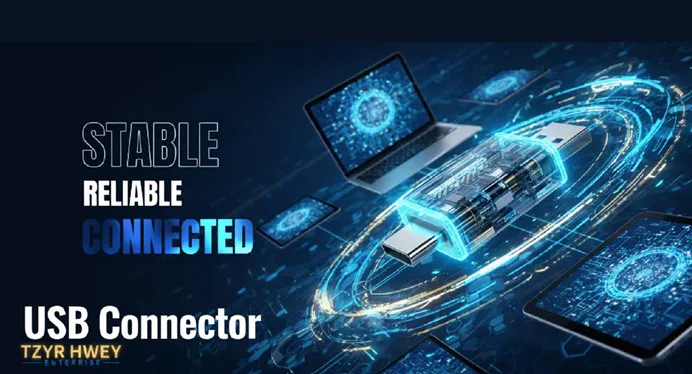
The Core Neural System: TZYR HWEY (T.H.) Introduces the Functions and Diverse Types of Connectors
In the era of smart manufacturing and high-speed communication, any sophisticated electronic system—be it an Industrial PC (IPC), an automated production line, or an EV ECU—relies on one critical component: the Connector. If the CPU is the brain, the connector is the "neural center" that facilitates the transmission of power and signals, building stable and separable bridges between different electrical systems.
At TZYR HWEY (T.H.), with our deep engineering expertise and market insight, we understand that connector quality directly dictates equipment lifespan and data transmission stability.
The Mission of a Connector: What Does It Actually Do?
The fundamental functions of a connector involve precise physics and electronics:
As your technical consultant, TZYR HWEY (T.H.) categorizes common industrial connectors into four main types to help you select the precise fit for your design:
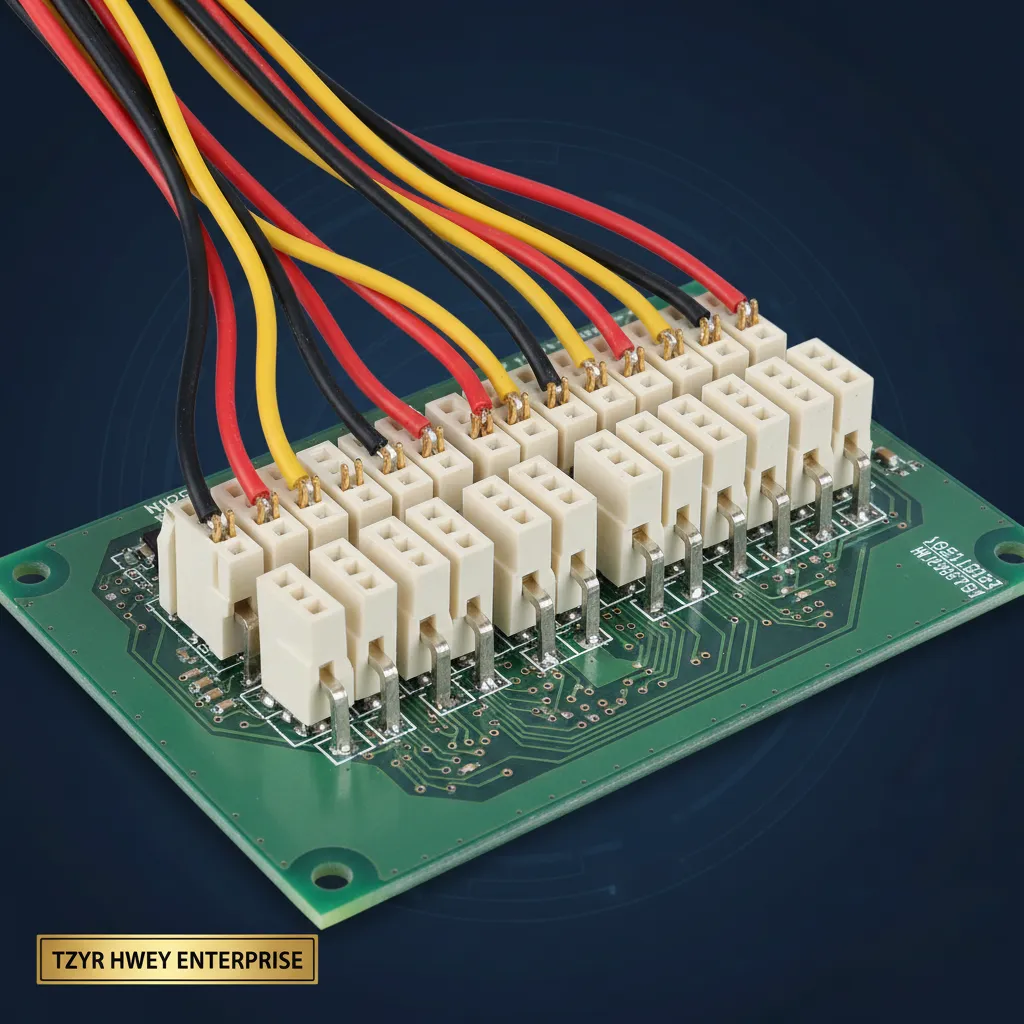
1. Wire-to-Board Connectors The most common type in industrial equipment, used to connect external wiring to the PCB.
In the era of smart manufacturing and high-speed communication, any sophisticated electronic system—be it an Industrial PC (IPC), an automated production line, or an EV ECU—relies on one critical component: the Connector. If the CPU is the brain, the connector is the "neural center" that facilitates the transmission of power and signals, building stable and separable bridges between different electrical systems.
At TZYR HWEY (T.H.), with our deep engineering expertise and market insight, we understand that connector quality directly dictates equipment lifespan and data transmission stability.
The Mission of a Connector: What Does It Actually Do?
The fundamental functions of a connector involve precise physics and electronics:
- Signal Transmission: Ensuring digital or analog signals remain distortion-free and stable (e.g., high-speed SFP or USB-C data transfer).
- Power Delivery: Providing a steady path for current with low contact resistance to minimize heat (e.g., Busbars or high-power terminal blocks).
- Modular Design: Allowing for easy disassembly, upgrades, and maintenance, which reduces assembly time and after-sales costs.
As your technical consultant, TZYR HWEY (T.H.) categorizes common industrial connectors into four main types to help you select the precise fit for your design:
1. Wire-to-Board Connectors The most common type in industrial equipment, used to connect external wiring to the PCB.
- Key Products: Wafer, IDC, and various terminal housings with locking mechanisms.
- Focus: Ideal for IPC internal connections where space is limited but wiring is frequent.
- Key Products: Mezzanine connectors and the Floating Connectors T.H. specializes in.
- Focus: Perfect for resolving tolerance issues in automated assembly, common in precision sensors and control boards.
- Key Products: RJ45, USB-C, HDMI.
- Focus: Industrial networking and real-time monitoring. T.H. specifically recommends "Screw-Lock" versions for high-vibration environments.
- Key Products: M8 and M12 connectors.
- Focus: Machine vision cameras and automotive ECU, providing protection up to IP67/IP68.
-

Heading to Munich! TZYR HWEY (T.H.) to Showcase M-Series Waterproof & High-Speed Connectivity Solutions at electronica 2
-
Small Footprint, High Performance: TZYR HWEY (T.H.) Analyzes the Five Core Values of Wafer Connectors and Cable Assembli
-
High-Speed Board-to-Board Connectors: Driving the Next Generation of High-Speed Connectivity in 2025
-
Shifting to High-Definition Manufacturing: Understanding DisplayPort (DP) Connectors and Procurement Strategy